Why PTSD, Moral Injury And Reintegration Matter
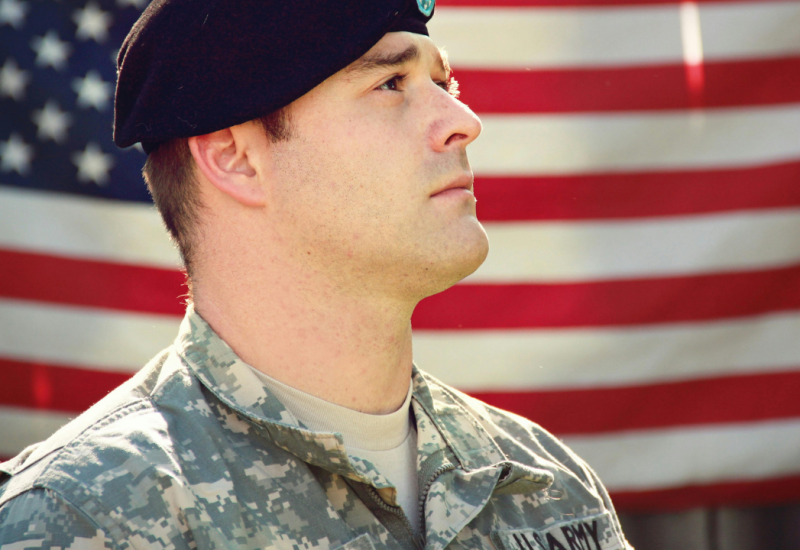
Military service changes how you see the world, your relationships, and yourself. For many veterans in Lexington, South Carolina and the greater Columbia area, the transition home brings more than a new routine. Memories of deployment, split-second decisions in the field, and losses that never felt “finished” can linger as post-traumatic stress disorder (PTSD) and moral injury. At the same time, the shift back into civilian life can make you feel as if you no longer fit anywhere.
If you notice that the war feels like it never ended inside your mind and body, you are not alone. PTSD, moral injury, and reintegration stress are common and treatable. Support in Lexington, SC, including veteran counseling at Crossroads Counseling Center, can help you regain steadier ground at home, work, school, and church.
Understanding PTSD In Veterans
PTSD is a mental health condition that can develop after someone experiences or witnesses a life-threatening or deeply disturbing event, such as combat, serious accidents, military sexual trauma, or assault. It is normal to feel on edge, sad, angry, or numb after trauma. For many people, those symptoms ease with time and support. When symptoms last longer than a few months or interfere with daily life, PTSD may be present.
Common PTSD symptoms for veterans can include:
- Intrusive memories, nightmares, or feeling as if the event is happening again
- Avoiding places, people, conversations, or activities that bring up reminders
- Feeling detached, numb, or unable to connect with family and friends
- Being constantly on guard, jumpy, or quick to anger
- Sleep problems, difficulty concentrating, or risky behaviors
PTSD is not a sign of weakness. It is the brain and body’s way of trying to protect you after extreme stress. Evidence-based therapy can help calm the nervous system, change unhelpful thought patterns, and reduce the impact of triggers over time.
What Is Moral Injury?
Moral injury often shows up alongside PTSD but it is not a formal diagnosis. Moral injury describes the deep spiritual, psychological, and social pain that can follow events that violate your core beliefs about right and wrong. In a military context, this may include situations where you had to act quickly in impossible conditions, could not save someone, witnessed harm to civilians, or felt betrayed by leaders or systems you trusted.
Moral injury can lead to intense shame or guilt, harsh self-judgment, and the feeling that you are beyond forgiveness. Some people describe feeling “dirty on the inside,” unable to look God or others in the eye, or unworthy of grace. Others struggle with anger toward leaders, institutions, or even toward God. Moral injury can also pull people away from church, family, and friendships just when support is most needed.
Because moral injury touches beliefs, values, and faith, many veterans find it helpful to work with a counselor who can address both clinical needs and spiritual questions. At Crossroads Counseling, Christian counseling is available by request so that Scripture, prayer, and spiritual practices can be woven into sessions in a way that respects your convictions and comfort level.
Reintegration Stress After Military Service
Reintegration is more than coming home and turning in a uniform. It means moving from a high-tempo, highly structured environment into a civilian world that can feel disorganized or trivial by comparison. For veterans in Lexington and the Midlands, this might look like returning to work in local businesses, attending school in the Columbia area, or taking on new roles in parenting and caregiving.
Common reintegration challenges include:
Feeling restless in everyday routines, having trouble relaxing in crowded stores or at church, frustration with coworkers who do not understand your experience, and difficulty communicating with family about what you went through. Some veterans feel pulled between the person they were in the military and the person they are expected to be now. Others struggle with grief over friends they lost or over a career that ended sooner than planned.
These reactions are understandable. With support, you can learn skills to handle triggers, rebuild relationships, and create a life that honors both your service and your future.
Signs You May Benefit From Counseling
Not every veteran with difficult memories needs formal treatment. The question is whether your current strategies are working and whether life feels livable. You may benefit from counseling with a veteran-informed therapist in Lexington, SC if you notice:
- Recurrent nightmares, flashbacks, or intrusive memories that do not ease with time
- Hypervigilance, startle responses, or anger outbursts that strain relationships
- Strong guilt, shame, or self-condemnation related to events in service
- Withdrawal from family, church, or activities you once valued
- Difficulty staying employed or in school due to mood, concentration, or sleep issues
- Increased alcohol use, use of other substances, or risky behaviors to numb emotions
- Thoughts that life is not worth living, or that loved ones would be better off without you
If you recognize several of these signs, reaching out for help is a practical, courageous step. You do not have to wait until everything falls apart before you start counseling.
Evidence-Based Therapy For PTSD, Moral Injury And Reintegration
Research has shown that several types of talk therapy can significantly reduce PTSD symptoms and improve quality of life. At Crossroads Counseling Center, treatment for active-duty service members, veterans, and Guard or Reserve personnel is grounded in evidence-based approaches that respect military culture.
Your counselor may draw from methods such as:
- Trauma-Focused Cognitive Behavioral Therapy (CBT). CBT helps you notice and change patterns of thought and behavior that keep you stuck. In trauma-focused work, you learn to understand triggers, challenge beliefs like “it was all my fault,” and build practical coping strategies for anxiety, anger, and avoidance.
- Acceptance And Commitment Therapy (ACT). ACT focuses on clarifying your values and taking small, meaningful steps toward them even when difficult emotions show up. This can be especially helpful after moral injury, where questions of integrity, service, and purpose are central.
- Mindfulness And Somatic Skills. Grounding exercises, breath work, and simple body-based strategies can help calm the nervous system, reduce hypervigilance, and make it easier to stay present during memories or conflict.
- DBT-Informed Skills. Dialectical behavior therapy (DBT) informed strategies focus on emotion regulation, distress tolerance, and healthier ways to manage anger or urges to shut down.
- Supported Exposure. When appropriate, your therapist may guide you to gradually face reminders of trauma in safe, planned ways. This can reduce avoidance and help you regain confidence in everyday situations.
Sometimes trauma-focused care also includes methods such as Eye Movement Desensitization and Reprocessing (EMDR) or coordination with other specialists. If your situation suggests that another service could complement counseling at Crossroads, your therapist can discuss referral options with you.
For moral injury, therapy often includes honest conversations about responsibility, forgiveness, and what it means to live in line with your values after events you cannot change. If you wish, this may include integrating faith, prayer, and Scripture with careful attention to your beliefs and pace.
What Therapy Looks Like At Crossroads Counseling
Crossroads Counseling provides outpatient therapy in Lexington, SC, with secure telehealth options throughout South Carolina. Care is tailored to your goals and current stressors, whether you are freshly separated from service or have carried these burdens for decades.
Your First Contact And Appointment
Getting started begins with a simple step. You can call the office or use the secure form on the Contact page to share basic information, your insurance, and whether you prefer in-office or telehealth sessions. The intake team reviews your needs, verifies benefits when possible, and matches you with a clinician who has experience with trauma, moral injury, and military culture.
To learn more about the process from first call to first session, you can also review the What To Expect page, which outlines how Crossroads confirms coverage and schedules appointments.
Your First Few Sessions
Early sessions focus on understanding your story and stabilizing day-to-day life. Your therapist will ask about your service history, key events, current symptoms, and what “better” would realistically look like over the next few weeks and months. Together, you will build a safety plan for emotional spikes, identify triggers, and begin basic grounding skills so that you do not feel overwhelmed in or between sessions.
You do not need a formal PTSD diagnosis to receive care. Impact, not labels, guides treatment. Your counselor will also explain how privacy works, what limited situations require mandated reporting, and how your information is shared only with your consent, except in safety or legal emergencies.
Working Through PTSD Symptoms
As safety and trust grow, sessions may shift toward gently processing traumatic memories and the beliefs attached to them. You might learn how to notice early signs of anger or panic, practice calming skills in session, and set small homework steps to try at home, at work, or in public spaces around Lexington. Over time, many veterans notice fewer nightmares, less startle, more predictable moods, and better sleep.
If you already receive care through the VA or another provider, your Crossroads counselor can coordinate with that team with your written permission. This helps align goals and avoid conflicting recommendations.
Addressing Moral Injury And Faith Questions
For veterans whose pain is tied to moral or spiritual questions, counseling may include Christian integration by request. On the Christian Counseling page, Crossroads outlines how clinicians combine evidence-based care with faith when clients choose that option.
In sessions, this might mean exploring how Scripture speaks to guilt, forgiveness, justice, and lament, or how to reconnect with church community after feeling distant or judged. Your counselor will not pressure you into any belief or practice. You choose how much faith to bring into the room and at what pace.
Including Relationships And Family In Care
PTSD and moral injury do not stay in one person’s life. They ripple through marriages, parenting, and friendships. Many veterans find that counseling works best when spouses or partners are part of the process at some point.
Crossroads offers Couples Counseling that can be integrated into your plan when relationship repair is a priority. In couples work, you and your partner learn to recognize patterns in conflict, use calmer communication, and create shared plans for handling triggers, anger, or withdrawal. Sessions can help your spouse understand why certain sounds, anniversaries, or conversations are harder for you and how they can support you without walking on eggshells.
How Long Treatment Lasts And What Comes Next
The length of care depends on your history, goals, and how often you can attend. Many veterans begin with weekly 50 to 60 minute sessions to build momentum and safety. As symptoms stabilize and skills become routine, sessions often taper to every other week or periodic maintenance check-ins. Your therapist will revisit goals with you regularly and adjust the plan as life changes.
Some people work through a specific trauma and then transition out of regular sessions, returning later if new stressors arise. Others choose longer-term counseling that addresses multiple seasons of transition, such as retirement, career shifts, or parenting challenges. There is no one “right” length. The focus is on sustainable progress that fits your responsibilities and energy.
How Therapy Fits With VA Care, Medications And Benefits
Many veterans in Lexington use a mix of community counseling, VA services, and support from faith communities or peer groups. Outpatient therapy at Crossroads can stand alone or complement treatment you already receive at the Columbia VA Health Care System, the Columbia Vet Center, or other clinics.
Crossroads does not prescribe medication. If you already take medication from a VA provider or community prescriber, your therapist can coordinate with them, share progress updates with your written consent, and help you integrate medication goals into your overall plan. If you are considering medication for the first time, your counselor can help you think through options and refer you to appropriate medical providers.
If you have questions about eligibility, disability ratings, or other benefits, local resources such as the Lexington County Veterans Affairs office and the Columbia Vet Center can help you navigate paperwork, claims, and referrals. Counseling at Crossroads can support your mental health while those processes move forward.
Costs, Insurance And Access To Care In South Carolina
Paying for therapy is a practical concern, especially during transitions out of the military. Federal parity laws require most commercial health plans to cover mental health care at levels similar to medical or surgical care. That said, every policy has its own network rules, copays, and deductibles.
Crossroads Counseling is in-network with many major health insurance plans and verifies benefits up front whenever possible. On the Contact page, the intake form allows you to list insurers such as BlueCross BlueShield, Aetna, UnitedHealthcare, Cigna, Humana, TriCare, VA Community Care Network, Medicare, and some Medicaid plans. The team reviews your coverage, explains any out-of-pocket costs, and discusses self-pay options if needed.
Because details change, it is always best to confirm current benefits directly. If you are eligible for care through the VA or other military programs, those resources may also cover separate services. Your therapist can help you think through how to combine benefits in a way that reduces financial stress.
Local And National Resources For Veterans In Lexington, SC
Counseling is one important part of support. Many veterans also benefit from connecting with local agencies and national programs that understand military and post-military life. Helpful options include:
- Lexington County Veterans Affairs. Assists with benefits questions, claims, and referrals for veterans and their families in Lexington County.
- Columbia VA Health Care System. Offers comprehensive medical and mental health care for eligible veterans in the Midlands, including specialized PTSD and trauma services.
- Columbia Vet Center. Provides confidential counseling and readjustment support for combat veterans, survivors of military sexual trauma, and their families in a less formal setting.
- Veterans Crisis Line. For immediate emotional support, veterans and their loved ones can dial 988 and press 1, chat online, or text 838255 for free, confidential help 24/7.
- 988 Suicide & Crisis Lifeline. Anyone in distress, veteran or civilian, can call or text 988 or chat at 988lifeline.org for real-time support.
- SAMHSA And FindTreatment.gov. National resources that offer information and a searchable locator for mental health and substance use treatment, including PTSD support.
If you or someone you love is in immediate danger, has a plan to harm themselves, or cannot stay safe, call 911 or go to the nearest emergency room right away. For non-emergency but urgent mental health concerns, use 988 or the Veterans Crisis Line while you work on getting connected with ongoing care.
How To Evaluate Therapy Options For Veterans
Choosing a counselor is personal. It can help to ask a few key questions as you compare veteran counseling options in Lexington and the surrounding area:
Licensure And Training. Is the clinician licensed in South Carolina as a professional counselor, marriage and family therapist, social worker, or psychologist? Do they have specific training in trauma and PTSD treatment?
Experience With Military Culture. Have they worked with active-duty service members, Guard and Reserve members, or veterans before? Do they understand concepts like moral injury, chain of command, and deployment cycles?
Evidence-Based Care. Do they use approaches such as trauma-focused CBT, ACT, mindfulness, and DBT-informed skills that have support in research, rather than only unstructured talk?
Collaboration And Respect. Do they listen first, set clear goals with you, and explain treatment options in plain language? Do they respect your faith, culture, and values without judgment?
Coordination With Other Providers. Are they willing to coordinate care with VA clinicians, chaplains, or primary care providers with your permission?
Crossroads Counseling’s Who We Are page introduces a team of licensed clinicians who use evidence-based methods and are familiar with the realities of military and veteran life. Reviewing those profiles can help you find a good fit before your first session.
Why Veterans Choose Crossroads Counseling In Lexington, SC
Many veterans and families in Lexington and the Columbia area choose Crossroads Counseling because it offers a combination of practical clinical care, respect for military culture, and the option to integrate Christian faith by request.
Key advantages include:
- Local Access And Telehealth. Crossroads is located on Whiteford Way in Lexington, convenient to downtown Lexington, the Lake Murray area, and major roadways. Secure telehealth sessions are also available anywhere in South Carolina, which can help when work, school, or health issues limit travel.
- Veteran-Informed Counseling. The Military & Veterans service page outlines a clear plan for addressing hypervigilance, sleep disruption, moral injury, anger, and transition stress with culturally aware care.
- Whole-Family Support. With Individual Counseling and Couples Counseling available, your therapist can help you work on personal healing and relationship repair in coordinated ways.
- Faith-Integrated Care When Desired. If Christian faith is central to how you make sense of suffering, the option for Christian Counseling allows you to bring Scripture, prayer, and church life into the healing process while still receiving clinically grounded care.
- Organized, Transparent Process. From verified benefits and clear fees to a defined treatment plan and practical homework, the team at Crossroads aims to make getting support straightforward, not confusing.
How To Get Started With Veteran Counseling In Lexington, SC
If PTSD, moral injury, or reintegration stress are making life feel smaller than it should, you do not have to carry it alone. Support is available right here in Lexington.
To begin, you can:
Visit the Military & Veterans Counseling page to learn more about how Crossroads serves service members and veterans, explore Who We Are to find a clinician who fits your needs, or go directly to the Contact page to call or send a secure message.
From there, the intake team will match you with a counselor, review your insurance or self-pay options, and schedule your first in-person or telehealth session. You will leave that visit with a clear, realistic plan for next steps so that healing feels possible, not overwhelming.
No matter how long it has been since you served, you deserve support that honors your story and helps you build a life in Lexington, SC that feels steady, connected, and aligned with your values.
Sources And Further Reading
- PTSD Basics – National Center For PTSD (U.S. Department of Veterans Affairs)
- Moral Injury And PTSD – VA National Center For PTSD AboutFace
- Post-Traumatic Stress Disorder – National Institute Of Mental Health
- VA Columbia South Carolina Health Care System
- Columbia, SC Vet Center – U.S. Department Of Veterans Affairs
- Veterans Crisis Line (Dial 988 Then Press 1)
- FindTreatment.gov – Substance Abuse And Mental Health Services Administration (SAMHSA)
- Find Support For Mental Health And Substance Use – SAMHSA